Interpreting services.
Interpreting covers simultaneous, consecutive and whispered interpreting. The type of interpreting is arranged according to the form of the event, the number of participants, the languages and the technical conditions.
We work at conferences, EU projects, consultations, seminars, workshops and business meetings. We arrange the appropriate equipment and technical support for live, online or hybrid interpreting according to the type of gathering.
Simultaneous interpreting is always carried out in pairs — two interpreters take turns every 20–30 minutes to maintain maximum precision and concentration throughout the event.
Simultaneous and consecutive interpreting with preparation.
For high-quality interpreting, it is important to coordinate the subject, language directions, programme and technical conditions in advance. This way interpreters can prepare the terminology, and the service adapts more easily to the type of gathering.

We review the subject, schedule, duration and format in advance so we can propose the appropriate type of interpreting.
We provide interpreters with presentations, speeches and specialist terms so they can prepare for the language of the event.
Simultaneous interpreters must always work in pairs and in shifts, so that their concentration stays stable throughout the entire gathering.
Before the gathering, the equipment for simultaneous interpreting needs to be set up (a sound-insulated booth, microphones of various kinds, receivers, a PA system and any other auxiliary technical devices depending on the client’s needs). In agreement with the client, we organise this service as well.
Three ways of interpreting.
We arrange the working method depending on the type of gathering, the number of participants, the languages and the technical conditions. A conference, a meeting and a site visit each call for a different rhythm of interpreting.
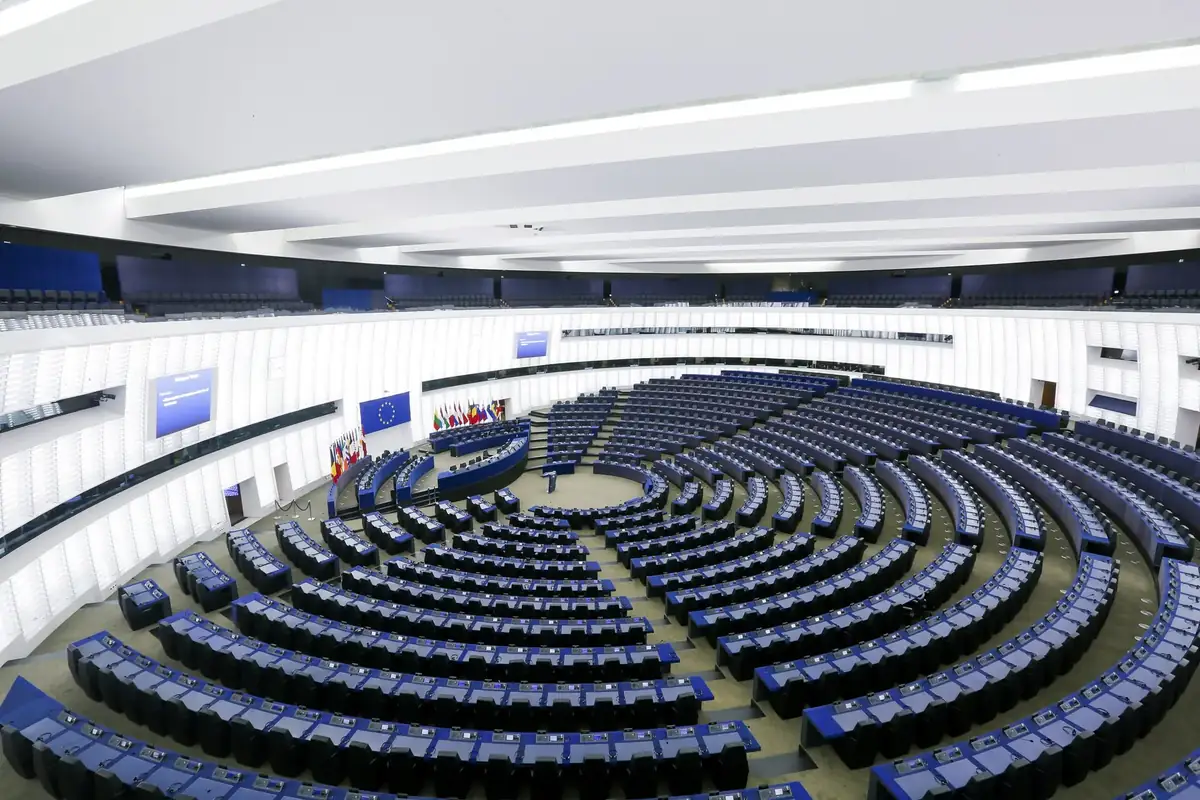
Simultaneous interpreting.
The interpreter translates in real time, without interrupting the speaker, so the course of the event is not extended by the interpreting. The best choice for conferences, symposia, congresses, EU programmes and specialist consultations with a larger number of participants.

Consecutive interpreting.
The speaker presents a shorter section, then the interpreter translates, which is why more time should be planned for the meeting. It is suitable for business meetings, negotiations, seminars, workshops, expert councils and smaller gatherings without special equipment.

Whispered interpreting.
The interpreter sits close to one person or a small number of participants and quietly translates the course of the conversation. It is used when the translation is needed by only part of the audience, without a booth and without interrupting the event.
Online and hybrid interpreting.
For virtual and hybrid events, we align the platform, languages and technical format with the client in advance.
With solutions offering several interpretation channels, participants can choose the language they listen to, while the speaker, who can be at the physical venue or at a remote location, speaks without interruption.
We work within the technical possibilities of the event, for example via Zoom, Microsoft Teams or the client's existing setup.
With solutions that use interpretation channels, participants choose the language they listen to, while the programme continues without interrupting the speaker.
Before the event we define the languages, duration, number of interpreters, a connection test and how the audience joins live or online.
From enquiry to event.
In your enquiry, state the languages, subject, location and date of the event. We will send you a precise quote with all the terms, tailored to your needs.
In the form, select interpreting, list the languages, date, duration, location or online platform, and attach the programme or a description of the event.
Our quote includes the price, the number of interpreters, the technical requirements and the method of delivery. If you are also hiring equipment from us, all the details need to be agreed precisely.
After your confirmation, the interpreters receive the preparation materials and the agenda. On the day of the event we do everything in our power to make our service flawless.
Do you have questions?
Request a quote.
Describe your request and attach the document — you order online and receive the quote by e-mail. We confirm the deadline in the quote. Urgent deadlines depend on text volume, language pair and translator availability.